New Layer New Layer
Menu

Blog

Archive for February 2024

Sharpening Lawn Mower Blades

Achieving a Premium Cut: The Art of Sharpening Lawn Mower Blades

A lush, well-manicured lawn can be the pride of any homeowner. However, achieving that perfectly trimmed grass requires more than just regular mowing; it requires attention to detail, including the often overlooked task of sharpening lawn mower blades. Contrary to popular belief, simply having a razor-sharp edge isn’t enough to ensure a clean cut. The key lies in maintaining the proper angle and pitch of the grind.

The Importance of Proper Blade Sharpening

Imagine trying to slice through a loaf of bread with a dull knife versus a sharp one. The difference in results is clear – a dull blade tears and crushes, while a sharp blade effortlessly glides through, leaving clean, precise cuts. The same principle applies to lawn mower blades.

When your mower blades are dull or improperly sharpened, they tear and shred the grass rather than cleanly cutting it. This not only creates an unsightly lawn but can also stress the grass, making it more susceptible to disease and pest infestations. Regularly sharpening your mower blades is essential to maintain a healthy and attractive lawn.

Understanding the Angle and Pitch

Many people mistakenly believe that the sharper the blade, the better the cut. However, the angle and pitch of the grind are actually more crucial than the sharpness itself. A blade that is too thin and sharp is prone to bending during use, resulting in a blunt edge that rips rather than cuts the grass.

The ideal angle and pitch of the grind will vary depending on the type of mower and blade you have. Consult your mower’s manual or seek advice from a professional to determine the optimal specifications for your equipment.

The Sharpening Process

Sharpening lawn mower blades may seem like a daunting task, but with the right tools and technique, it can be relatively straightforward. Here’s a basic guide to sharpening your mower blades:

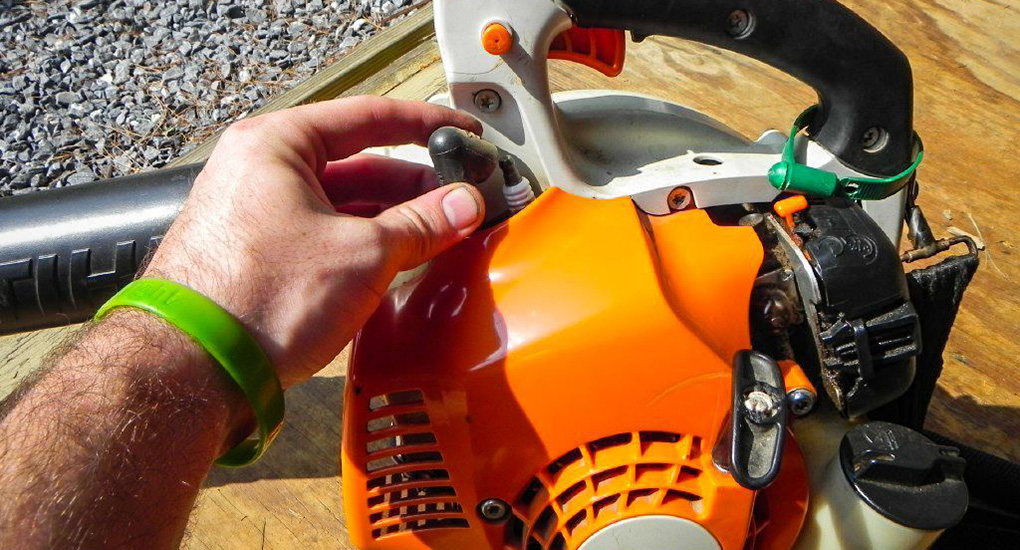
  1. Safety First: Before you begin, always disconnect the spark plug to prevent accidental starts. Wear gloves and eye protection to protect yourself from sharp edges and debris.
  2. Remove the Blade: Use a wrench to loosen and remove the bolts holding the blade in place. Take note of the orientation of the blade to ensure you reattach it correctly.
  3. Inspect the Blade: Take a close look at the blade for any signs of damage or wear. If the blade is severely damaged or bent, it may need to be replaced rather than sharpened.
  4. Sharpening: Use a grinder, file, or sharpening stone to sharpen the blade, following the manufacturer’s recommended angle and pitch. Take care to maintain a consistent angle and avoid overheating the blade, as this can weaken the metal.
  5. Balancing: After sharpening, it’s essential to balance the blade to prevent vibration and uneven cutting. This can be done using a specialized balancing tool or by suspending the blade on a nail or screwdriver and adjusting until it rests level.
  6. Reinstall the Blade: Once sharpened and balanced, reattach the blade securely, making sure to tighten the bolts firmly.

Conclusion: A Premium Cut Awaits

In conclusion, achieving a premium cut for your lawn starts with proper blade maintenance, including regular sharpening. Remember, it’s not just about sharpness – the angle and pitch of the grind are equally important factors in ensuring a clean and healthy lawn. By following the correct sharpening techniques and paying attention to detail, you can enjoy a beautifully manicured lawn that enhances the beauty of your outdoor space.
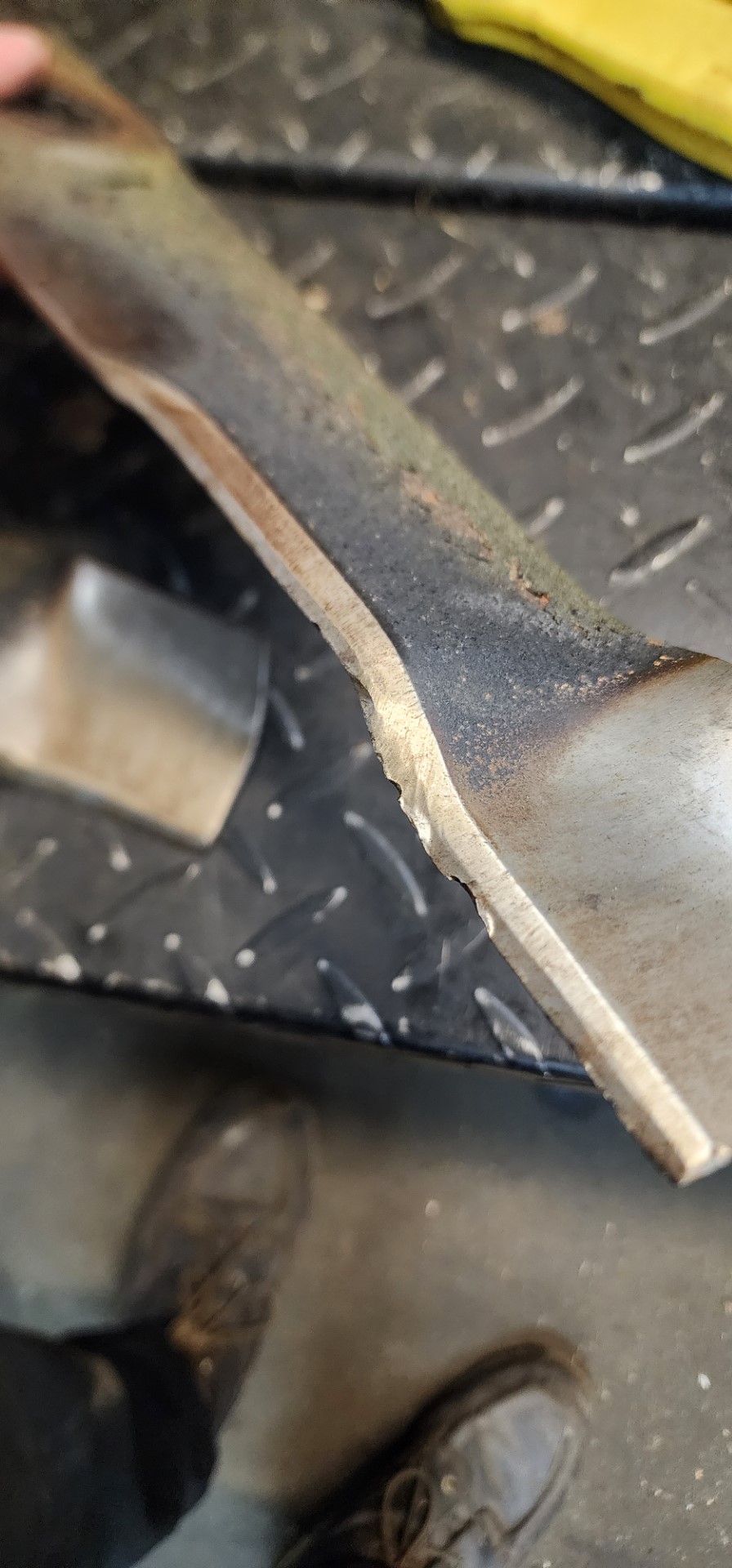
Incorrectly Sharpened
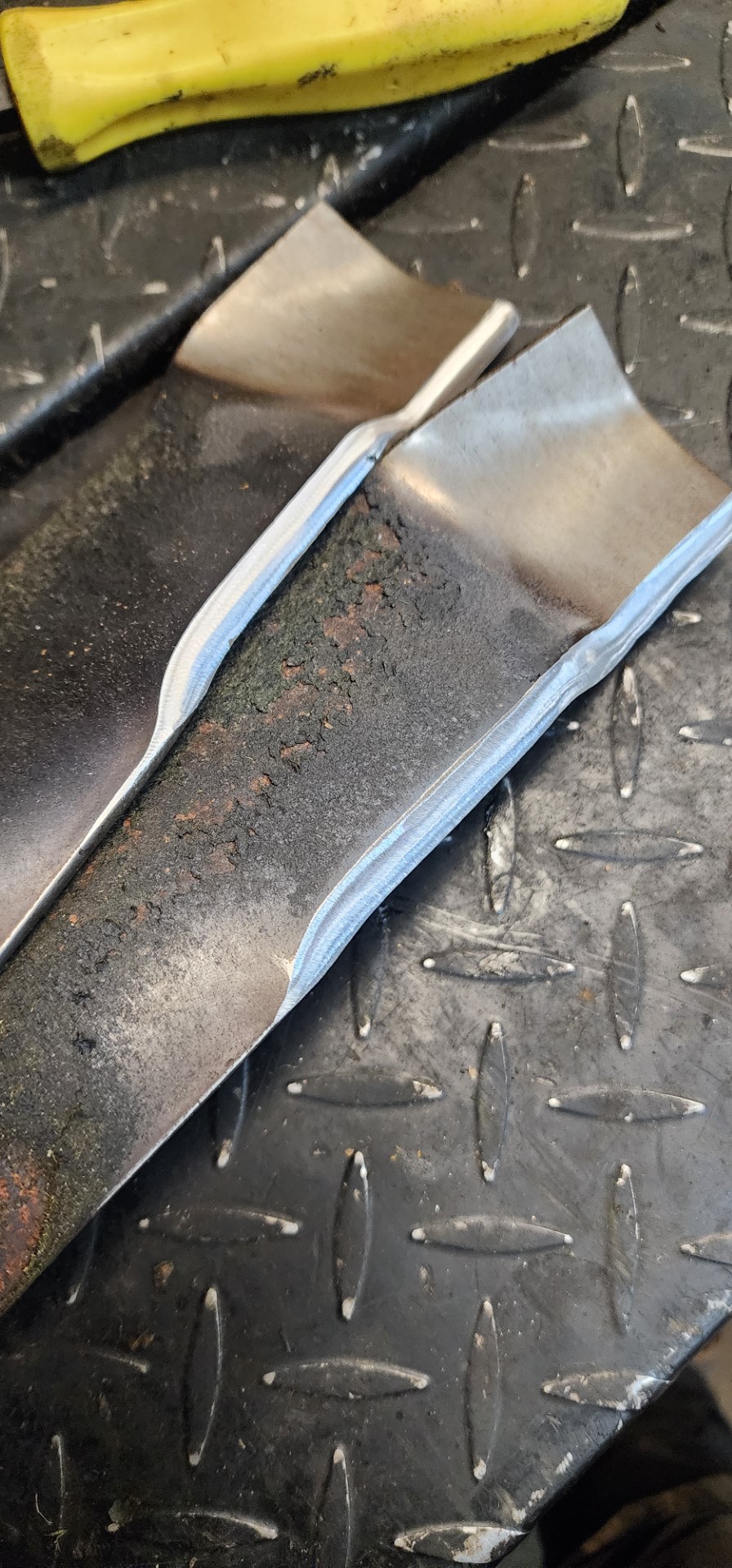
The perfect angle.
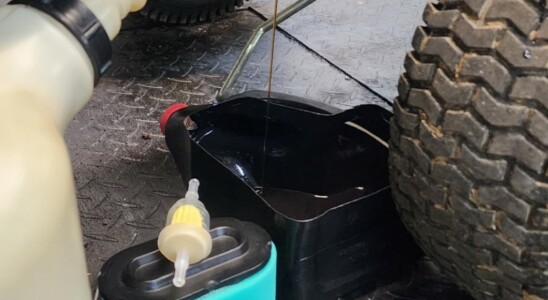
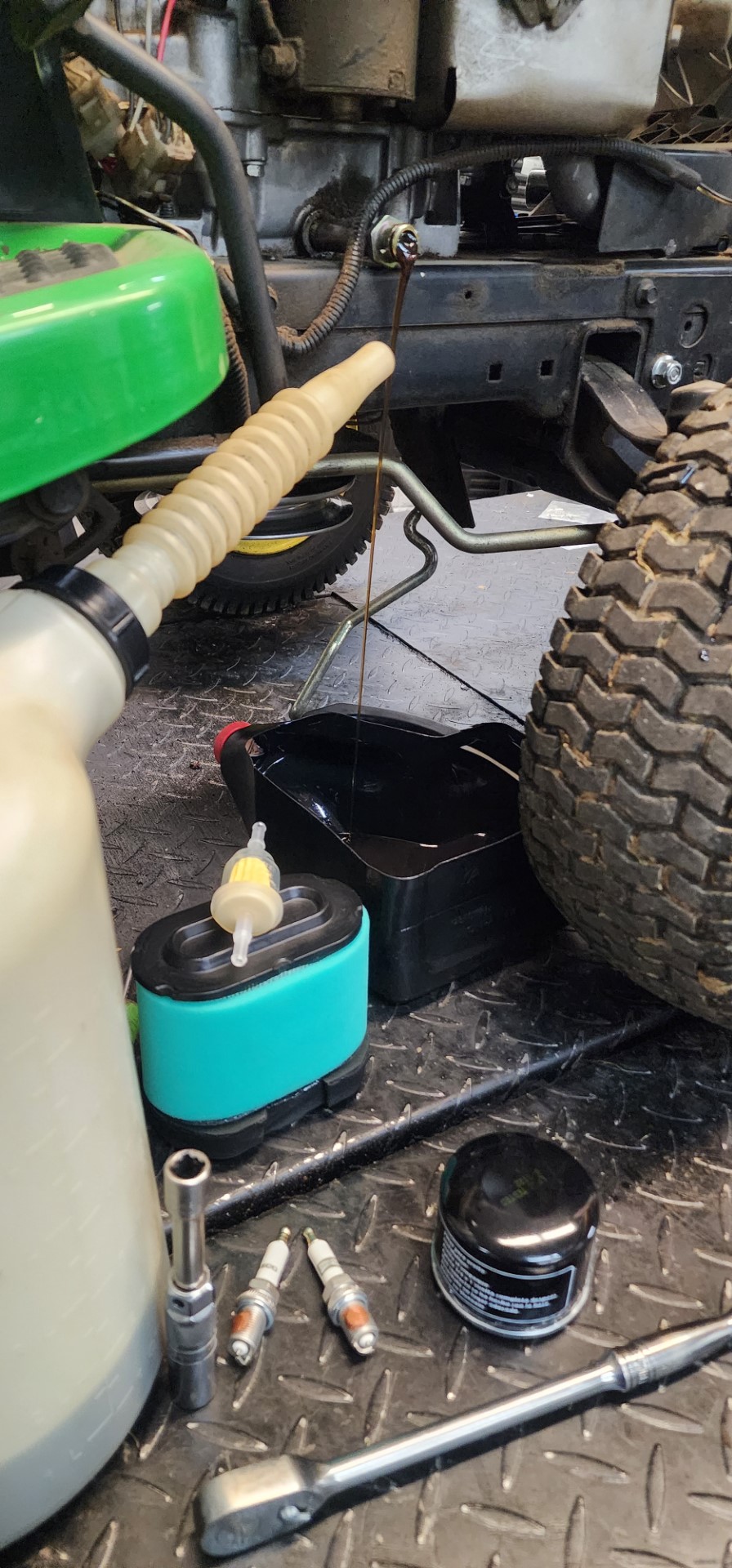
 

Winter service will ensure a worry free spring.

The Lifeline of Tractors: Regular Service Explained

🚜 The Lifeline of the Farm: Why Regular Tractor Service is Non-Negotiable

Introduction: Powering the Harvest

The tractor is the unquestioned workhorse of any property, operating under extreme conditions and heavy loads. It is an investment essential to your livelihood. However, even the most robust machinery needs consistent attention. Think of regular service not as an expense, but as the crucial fuel for your tractor’s longevity and peak efficiency. Let’s delve into why this routine care is the cornerstone of successful farm operation.

Why Regular Service Matters: The Ounce of Prevention

Routine maintenance is the ultimate defense against unexpected downtime. It is the cornerstone of preventative care. Technicians meticulously inspect critical components—from fluid levels and filtration systems to belts and hoses—identifying small issues like minor leaks or wear before they cascade into catastrophic mechanical failures. This proactive approach saves you from the severe stress, time-sinks, and costly, emergency repairs that a complete breakdown inevitably entails during a crucial season.

Ensuring Peak Performance: The Precision Machine

Like a finely tuned athlete, a tractor must be in optimal condition to deliver maximum output. Regular service ensures that all systems, including the engine, hydraulic pumps, and transmission, are working harmoniously. By addressing things like clogging carba or calibration issues, you maintain the tractor’s fuel efficiency and power output, ensuring you cover more ground in less time. This translates directly to a healthier bottom line.

Prolonging Lifespan: A Strategic Investment

Every hour your tractor runs causes wear and tear. Regular servicing, through proper lubrication and component replacement, minimizes the abrasive effects of friction and heat. This deliberate preservation significantly prolongs the operational lifespan of the equipment, maximizing the return on your initial investment and deferring the need for expensive new machinery.

Safety First: Protecting Your Crew

A well-maintained tractor is a safer tractor. Routine inspections prioritize the operator’s well-being by checking essential safety features like brakes, belts, tire pressure, and steering components. Preventing hazards is paramount, ensuring not only that you are protected but also that your operation adheres to necessary safety standards, making the field a safer working environment for everyone.


Conclusion: Regular service is, unequivocally, the lifeline of your tractor. Commit to this routine to optimize performance, maximize lifespan, and prioritize safety.

What’s the most unexpected issue a routine service check has ever caught on your property? Share your stories below!

Winter service will ensure a worry free spring.

The Lifeline of Tractors

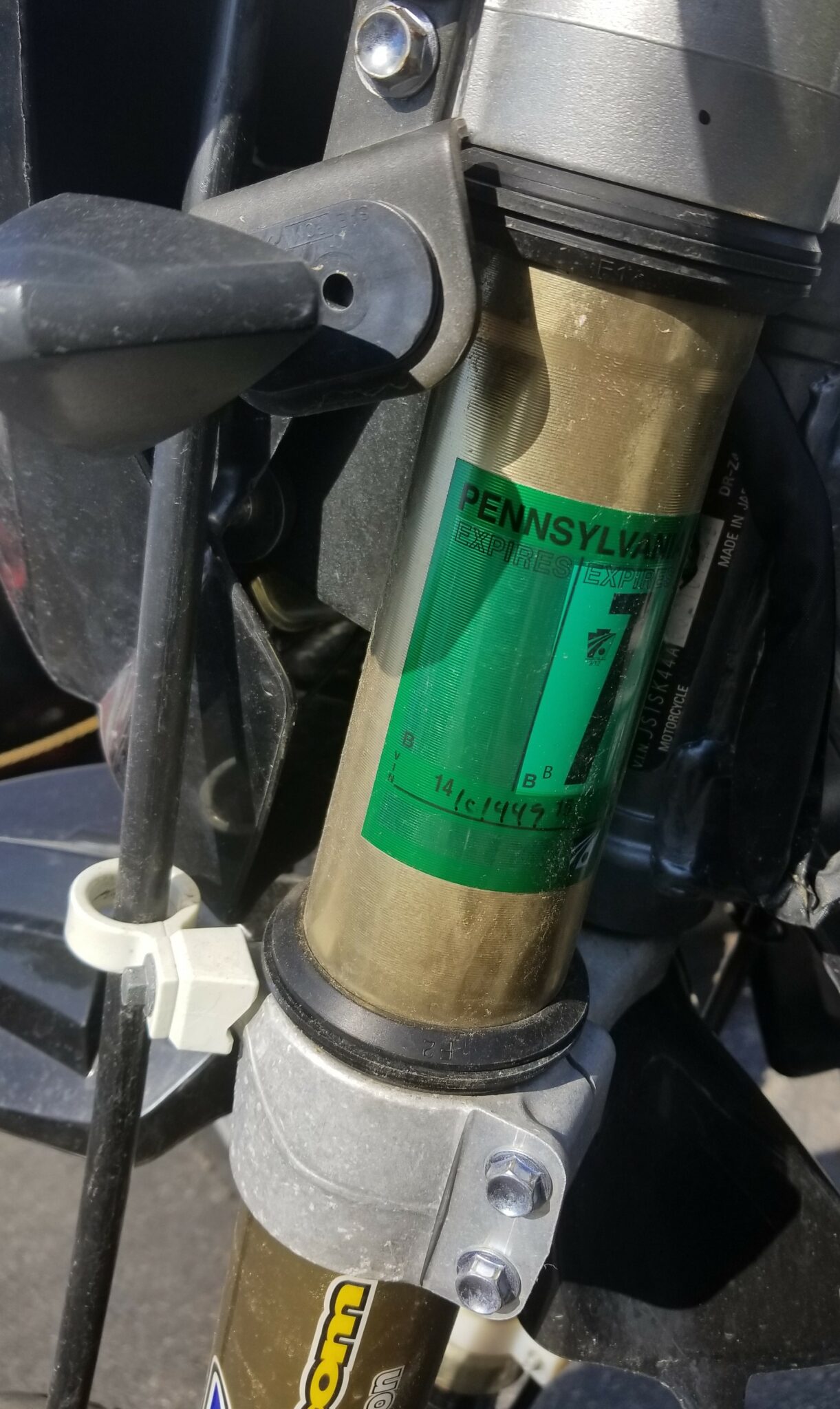
Pennsylvania Motorcycle Inspection

The Importance of Pennsylvania Motorcycle Inspection: Ensuring Safety on Two Wheels

Introduction: Riding a motorcycle is an exhilarating experience, but it comes with its own set of responsibilities. One of these responsibilities, mandated by the state of Pennsylvania, is the annual motorcycle inspection. While some might see it as a mere bureaucratic requirement, we believe it’s crucial for ensuring not just legal compliance but, more importantly, rider safety.

Why Inspections Matter:

Pennsylvania’s motorcycle inspection isn’t just a formality; it’s a comprehensive safety check. Think of it as an annual physical for your bike. The inspection technician meticulously examines various components to ensure they meet safety standards. Here’s why it matters:

  1. Tire and Brake Safety: Your tires are the only point of contact between your bike and the road. Worn-out or improperly inflated tires can lead to loss of control, especially in adverse weather conditions. Similarly, brakes need to be in optimal condition to ensure prompt and efficient stopping power.
  2. Operational Lights: Properly functioning lights are essential for visibility, both during the day and at night. Inspecting indicators, brake lights, headlights, and taillights ensures that other motorists can see your intentions and react accordingly, reducing the risk of accidents.
  3. Fluid Leaks: Fluid leaks, whether it’s oil, coolant, or brake fluid, can compromise the performance of your motorcycle. They not only indicate potential mechanical issues but also pose a safety hazard, particularly if they affect traction or cause slippery surfaces.
  4. Bearing Play and Controls: Loose controls or excessive bearing play can result in unpredictable handling, making it challenging to maneuver your motorcycle safely. Inspecting these components ensures precise control and responsiveness, crucial for navigating through traffic and avoiding collisions.

Prioritizing Safety over Violations: While some might view the inspection as a hassle or a potential source of fines, we urge riders to shift their perspective. Instead of seeing it as a burden, consider it a proactive measure to safeguard yourself and others on the road. After all, the consequences of riding a motorcycle with compromised safety far outweigh any inconvenience caused by an inspection.

Conclusion: In conclusion, Pennsylvania’s motorcycle inspection isn’t just a legal requirement; it’s a vital safety measure. By ensuring that your motorcycle is in proper working order, you’re not just complying with regulations; you’re prioritizing your well-being and that of others on the road. So, next time you’re due for an inspection, embrace it as an opportunity to ride safer and with peace of mind. Stay safe out there on two wheels!


Safety first!

Visit Us On FacebookVisit Us On TwitterVisit Us On YoutubeVisit Us On Instagram